



The Hipster is one of the most roundly mocked subcultures of this century. The unnecessary accessories, the trying-hard-while-pretending-not-to-try-hard-aesthetics, and the obsessive self-rumination made them a prime target for popular derision. It was the spiritual child of older anti-materialist cultures harboring an overwhelming sense of displacement in modernity, such as the Beatniks and the earlier generation of Hipsters during the 1940’s. They inherited similar flaws as well. In the mainstream consciousness, they are understood as being anti-conformist while conforming to a certain style of living, anti-status while secretly trying to convey a particular image, and anti-materialist while placing great value in boutique fashion statements. They had an overwrought sense of irony and a smug demeanor of being above-it-all, while being very sensitive to emerging trends. While this is a stereotype, the extent that someone emanated the qualities of the Hipster existed in a spectrum, though it was overwhelmingly a white urban phenomenon. A rebellion of the homogenization of urban life, they set out to forge an identity outside of the standard routine of daily existence.
If you ask the average person what he thought of these types, they will likely answer they were a mildly annoying but harmless subculture. Politically they skewed left-wing, making them more the target of ire from conservatives than progressives, who saw an obnoxious but useful political ally. They made they ascent in the in the late 1990’s, just as the internet was taking off, and died away in the early 2010’s. Like many anti-establishment movements, they had little staying power, eventually evaporating like the Beatniks and Hipsters of generations past.
The works documenting the Hipster phenomenon are, as one would expect, quite snarky and irony-pilled. One of the best examples is a blog written by Christian Lander, “Stuff White People Like”. Written as a lampoon of urban white culture, he takes amusing jabs at their interests. It reached mass appeal, with a large cohort who were the butt of his jokes taking them with stride. Even with the snark, when one reads it, there’s a sense of deep love and respect. While many angrily condemned the racism of his blog, I didn’t get that impression. If anything, it’s a White Supremacist manifesto warning of white pathologies tucked under five layers of irony. Just reading the titles, urban whites sound kind of awesome. They helped to completely change the cultural landscape, with a multitude of their interests popularizing hobbies and intellectual avenues once unknown. While they didn’t create anything totally original, they expanded the horizons of countless urban dwellers, but encased deep, destructive insecurities.
The following are topics listed on Lander’s blog and book, cataloguing 150 things White People Like with a tongue-in-cheek anthropological gaze. If you get past the teasing, you can witness a vibrant, living culture dedicated to excellence, a fascinating people who used their creative energies to take ordinary things and make them great.
Food: Coffee, Tea, Farmer’s Markets, Organic Food, Wine, Microbreweries, Veganism/Vegetarianism, Sushi, Asian Fusion Food, Whole Foods and Grocery Co-ops, Expensive Sandwiches, Brunch, Bakeries, Cheese
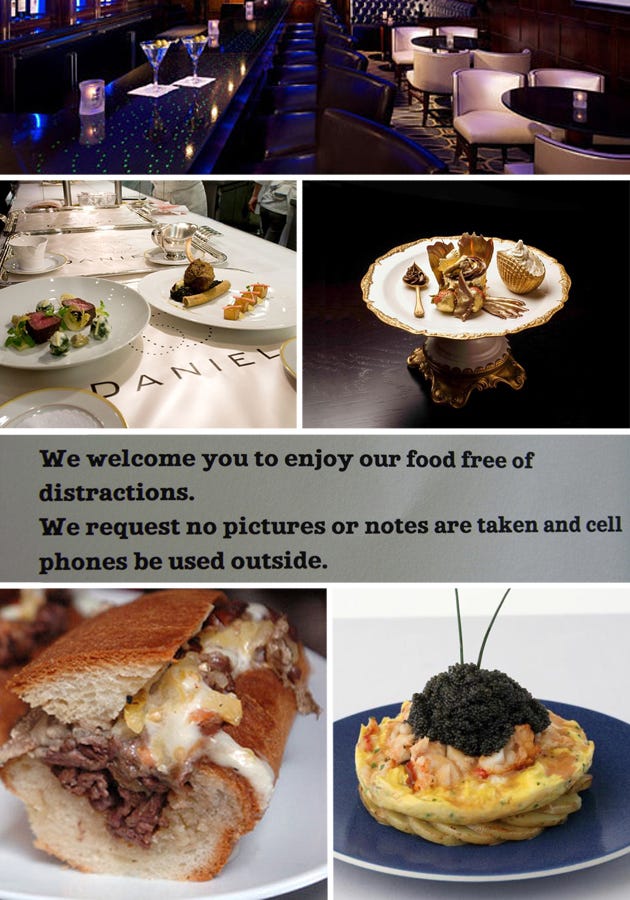
White people need organic food to survive, and where they purchase this food is as important as what they buy. In the community, Whole Foods stores have replaced churches and cathedrals as the most important and relevant buildings in society. There are some regions that do not have Whole Foods but do have an abundance of white people (college towns). In these situations Whole Foods can be substituted with a local co-op grocery store.
While not the first trailblazers, white urbanites were part of the leading edge of stocking kitchens with organic, local foods. The Whole Foods phenomenon reached popular consciousness due to wealthy urbanites in the 2000’s, bolstered by a new consciousness on the negative effects of additives and appreciation of various foods. This, along with the conservative “Crunchy Con” phenomenon, created a bipartisan focus on food quality. Regardless of if you like kefir, kombucha, raw milk, or exotic vegetables, the push for fresher ingredients and fewer chemicals has percolated through every grocery store. It sparked a new renaissance in from scratch cooking from quality ingredients and testing one’s palate, though your paycheck would suffer.
The 2000’s was a world inundated with Applebees, Chili’s, Red Robin, and other hopelessly same-y restaurants. The push for authenticity manifested discovering the hole-in-the-wall joint, the little joint packed in a corner street that made their food from scratch or created a unique twist on classic foods. They believed restaurants should be more than just sustenance, but an experience. Probably one of the most pernicious stereotypes of the Hipsters was their obsession with authenticity in restaurants. Pretentious venues catering to this cohort were roundly mocked along with their clientele, and they had a reputation of caring about the aesthetics of eating a certain meal rather than its actual culinary qualities. Still, one can’t argue that food didn’t get better during this time. While much of the restaurant scene was performative, it allowed non-chains with good food to get the attention they deserved.
Ditto for their taste in coffee, often mocked for their overly elaborate concoctions over a simple morning brew. You saw guys walking into work with a five-dollar Starbucks coffee or a latte from some small shop down the road instead of using the public coffee pot brewed with Folger’s. Eventually, tastes changed, and experimentation with different types of beans, brewing techniques, and flavors gained prominence. While Starbucks is still burnt garbage, grocery aisles started stocking countless brands with various brew styles for particular tastes.
Openness: Asian Girls, Having Black Friends, Being the expert on YOUR culture, Being the only White Person, Adopting Foreign Children, Having Gay Friends, Japan, Native Wisdom, Dive Bars, Non-American News Sources, Multilingual Children
White people are pretty conflicted about their culture. On one hand, they are proud of the art, literature, and film produced by white culture. But on the other, they are very ashamed of all the bad things about white culture: the KKK, colonialism, slavery, Jim Crow laws, feudalism, and the treatment of Native Americans. One way they can make up for the shame is by becoming marginally acquainted with foreign cultures. It is generally acceptable for a white person to learn a few terms in a language spoken primarily by nonwhites (such as Chinese, Tagalog, or Portuguese). They can then use these phrases to order certain “more authentic” dishes in restaurants.
It’s a mistake to call psychological openness objectively positive or negative, as this profile’s usefulness is context dependent. While trying new experiences and understanding different views is largely positive, they can also get you killed. The Hipsters, while being mostly White, LOVED diversity, at least in the abstract. They had irresistible curiosity for other cultures and people, often going on foreign adventures off the beaten path in the quest to really understand a people. Sometimes this didn’t end well.
In the 2000’s, immigration was a hot issue among paleo-conservatives, but ignored by everyone else. Minorities were still a small portion of the population, and seemingly harmless in their current numbers. You could waltz to the Chinese section of the city and leave with no issue, same for even most Muslim areas. If a group of whites went to Dearborn in the early 2000’s there was little suspicion, and they would be happy to take your money. It’s not always like that now.
They avoided the “sanitized for Western audiences” events in favor of being with the average foreigner. If there was an ethnic festival, they would have no qualms about being the only white people there, likely while not realizing they weren’t wanted. If there was a Black Gospel Church, they would walk in without a second thought. A BBQ in a bad part of town? They’ll go with a few friends early in the day. For all their openness, they still had a survival instinct.
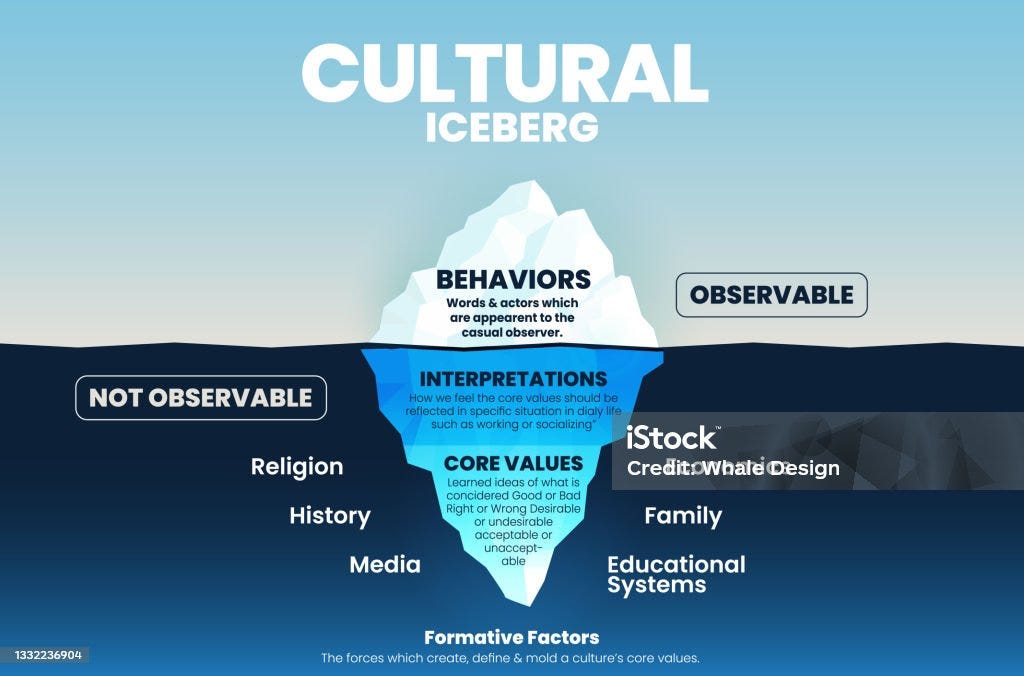
This tendency tended to give them an elevated view of other cultures while lamenting the lack of White culture, not even realizing they swam in White culture daily. Hence the criticism of overestimating their understanding of different people’s way of thinking. They had a tendency to see culture in terms of food, dress, and greetings instead of the hidden iceberg of all the nuances that made culture.
A side effect was an increased interest in ethnic celebrations for whites as well. Oktoberfest became more of a thing, so did Polish and Lithuanian festivals. What was once a more insular affair became popular among the general population, and many found out about their lost heritage.
They had a stronger distrust of traditional media than even conservatives in this era, largely because of the issues of Israel, Iran, Iraq, and other military adventures. They saw traditional media as sycophants for American military hegemony. For this reason, they preferred smaller and foreign press outlets. During this era, they weren’t wrong.
The Arts: Film Festivals, Oscar Parties, High School English Teachers, Not Having a T.V., Musical Comedy, Architecture, Writer’s Workshops, Acoustic Covers, The New Yorker, Modern Art Museums, Plays, Music Festivals, Public Radio, Netflix, Standing Still at Concerts, The Criterion Collection, Documentaries

Imagine spending three days in a tent, but instead of being surrounded by nature you are surrounded by mud, oppressive heat, loudspeakers, and thousands of white people swaying with their eyes closed. Many people would call this “hell,” “a nightmare that won’t end,” or “some sort of sci-fi zombie scenario that is worse than anything we could ever imagine.” White people call this a “music festival” and will pay large amounts of money for the experience.
The indie music scene was ubiquitous in the 2000’s, with many obscure bands gaining mass popularity through word of mouth alone before being picked up by a record label, their early fans getting street cred for discovering them first. Every small venue would have a dozen people outside handing out CD’s of their latest album, hoping the right person gives them a shot. Whether you had a taste for a single guitarist, your average garage band, or the infinite number of techno DJ’s, everyone could find music to their taste. Music venues were electric at this time, with even obscure bands playing to packed crowds in grimy, humid rooms. Music was a true social event and countless music festivals popped up. Whatever weekend you wanted, rest assured there was a festival to attend.
The movie snob also reached its peak in the 2000’s and has gone downhill ever since. As costs of production went down, independent movies became widespread. While there was a strong progressive slant during this time, there were enough truly interesting films to ignore them. People still cared who won the Oscars, film festivals were attended by real movie fans instead of masochistic political fanatics, and new styles of filmmaking were born. There was a renaissance as the average person became aware of more obscure films, even if most of his viewing would be summer blockbuster fare. The artistic styles and qualities of film spilled into common discussion instead of being only the purview of students. These generated a lot of nonsense, but also gave a deeper respect for the craft. Countless documentaries were also produced. For every niche interest, rest assured, a dozen documentaries were made, giving an inside view to every strange corner of the world you could imagine.
For those who were more reclusive, you could get your literary chops working with your very own blog. Whether you wanted to talk about your obscure literary tastes, the latest local events, or your travel adventures (a big favorite), you could get an account at blogger.com and send your thoughts to the entire world, or at least the ones who found your little site by happenstance. After all, everyone’s story is unique and deserves to be told.
Social Cohesion: Assists, Awareness, Dinner Parties, Nonprofit Organizations, Gentrification, Self-deprecating Humor, Platonic Friendships, Avoiding Confrontation, Apologies, difficult breakups, Integrity, Trying too hard, Hating Corporations
The dinner party is the opportunity for white people to be judged on their taste in food, wine, furniture, art, interior design, music, and books. Outside of dictatorships and a few murder trials, there might not be a more rigorous judgment process in the modern world. Everything must be perfect. One copy of US Weekly, a McDonald’s wrapper, a book by John Grisham, a Third Eye Blind CD, or an Old School DVD can undo months and maybe even years of work.
A consistent theme of Stuff White People Like is over-socialization. It goes into depth about the great pains Hipster types go to be polite, with confrontation taking the form of mild passive aggression. The performative nature of wearing wristbands for “awareness”, making one’s home more about showcasing oneself as a person as opposed to daily living, and pretending to not take oneself seriously (while taking oneself seriously), are many behaviors stemming from this.
While funny, such cohesion allows for transformational changes. Even a mundane observation like White people liking to give assists in basketball shows a solidarity and willingness to eschew personal glory for the benefit of the whole team. While the excessive politeness, eagerness to apologize, and other niceties can be exhausting and counterproductive in the wrong environment, it’s practically a superpower in getting everyone working together. While the author mocks Gentrification as inauthentic whites moving into an up-and-coming neighborhood, it shows the transformative power a group can accomplish when banding together. While one urbanite would be red meat for criminality in a bad neighborhood, get a couple hundred to move in through a sort of cultural osmosis and all of the sudden the bad neighborhood is improving dramatically.
A lot of their philanthropic interests are justifiably mocked, but also shows a broader outlook that deeply cares about moving people ahead, even if they are totally clueless about the pathologies in the poorer classes. Take this example from the section “Knowing What’s Best for Poor People”.
A great way to make white people feel good is to tell them about situations where poor people changed how they were doing things because they were given the “whiter” option. “Back in my old town, people used to shop at Wal-Mart, and then this nonprofit organization came in and set up a special farmer’s co-op so that we could buy more local produce, and within two weeks the Wal-Mart shut down and we elected our first Democratic representative in forty years.” White people will first ask which nonprofit, and are they hiring? They will be so filled with euphoria that they will invite you to more parties so you can tell this story to their friends.
Well, yeah. The “whiter” option sounds awesome. Everyone should be encouraged to be whiter.
The Great Outdoors/Active Living: Marathons, snowboarding, Living by the Water, Outdoor Performance Clothes, Making you feel bad for not going outside, Rugby, Rock Climbing

For much of human history, when a human being saw a mountain in front of them, their reaction was “Damn, I wish this mountain wasn’t here, why can’t someone just blow a hole through this?” One day, after many roads and tunnels had been constructed, a white person thought to himself, “You know what? I’m going to climb this, look around, then climb back down. The view from the top will be worth risking my life.” And rock climbing was born.
Nothing exemplifies the Faustian nature of the Hipsters more than their obsession with the outdoors. While the REI-ification of the outdoors with ludicrously expensive equipment most buyers had no need for displayed empty consumerism, the new focus on backwoods backpacking, adult athletics beyond a basic beer-league baseball team, and an urge to partake in invigorating physical trials like marathons fostered an active culture that pushed them to their limits. It also brought into focus many sports largely unknown by most Americans. Rugby teams abounded during this age, not exactly fitting the effeminate stereotype of urbanites, but popular all the same.
It’s also a social phenomenon, a demand for others to also expand themselves and do better. From the topic “Making you feel bad for not going outside”.
As mentioned earlier, white people love to be outside. But not everyone knows that another thing they like to do is make people feel bad for wanting to watch sports on TV or play video games. While it would be easy to get angry at white people for this, remember it is hardwired in their heads that the greatest thing people can do in their free time is hike/walk/bike outdoors.
There’s an absurd amount of truth to this, and this seems to cross every white subculture. Whatever outdoor you point at, from the more urban liberal-coded backcountry hiking trips to the more conservative-coded big game hunting, white people love this stuff, and it’s glorious. Even the author has trouble making such healthy interests sound silly.
Self-Loathing: Religions their Parents Don’t Belong to, Hating their Parents, Divorce, The Daily Show with Jon Stewart, Therapy, Threatening to Move to Canada, Marijuana Pretending to be a Canadian when travelling abroad, Having a Hard Time in High School, Portland, Self-Importance
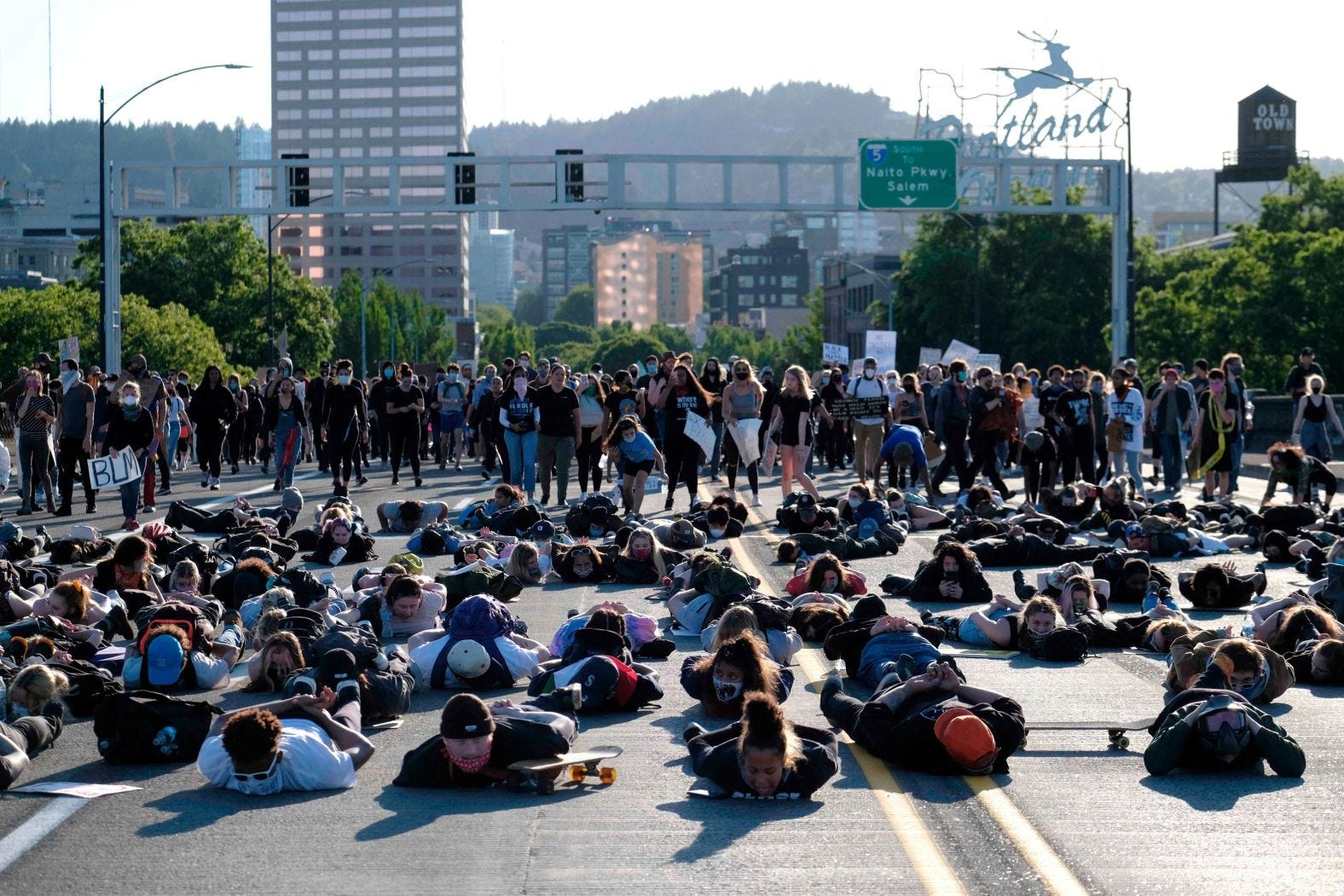
Portland, Oregon, is essentially a Lord of the Flies scenario with white people in the Pacific Northwest instead of children in the South Pacific. In both cases, we have a situation whereby a homogenous group of people is left alone in an area with no one to keep them in check. Eventually the euphoria and self-congratulation devolves into savagery and murder.
The saddest aspect of the deracinated white urban professional was their lack of rootedness. Once the subculture dissolved, all that remained were the dark undercurrents. This lack of sense of identity and an internalized sense of trauma led them to lash out against anything reeking of traditional values, focusing their fury on the one part of their lives that could ground them in something real. The boutique fancies and interests they cultivated was designed to fill a hole in their hearts, and failed. This impotent rage can be seen by the mannerisms known as “millennial snot” by the Jon Stewarts of the era, a latent anti-Americanism, and blaming their plight on childhood trauma. Through these pathologies, along with a latent anti-religion bent, created worship in another form. Therapy culture formed from this cohort, as well as political activism as a secular religion. All their creative energy was spent, and their only child was destructive rage.
Two of their biggest vices, their self-importance and antipathy towards their past, created a tinderbox of rage that no number of hobbies could bottle. The cultural children of the Hipsters don’t have cool hobbies, but an urge to burn everything down. The Portland, Oregon mocked in “Portlandia” has turned into something utterly anti-civilizational, and it’s not funny anymore.
While sad, when one looks back at the creative pushes they crafted, you see how many positive changes they enacted. You now have rugged midwestern men finding niche craft brews to their taste. There’s a massive interest in the great outdoors that spans every political and geographical cohort. The bike culture renaissance has created a mass of new trails to explore and interest in maintaining them (though the obsessive bike lane phenomenon is annoying). Whether you want to mountain bike in the remote West or ride across the country, there’s something for you.
The restaurant experience improved, though cheap labor from mass immigration is fast deteriorating these gains. Home cooking has also improved, as parents are more cognizant of proper nutrition for their children. Probably the most lasting impact is the emphasis on localism. The food co-op, once considered a strange fancy, now has mass appeal. Farmer’s markets, once thought a strange hippie thing, now has some of its strongest proponents among conservatives. We might have laughed back them, but those urban whites won.
The Hipsters are gone, but their creative legacy remains. If we can gleam any lessons from them, it would be to have the bravery to sound a little snobbish, have that little hint of elitism. Humility is fine, but a fake humility makes one sound unsure of your ideals. Yes, buying food from local co-ops is better than getting them at Walmart. Locally sourcing your meat from a small shop is better than buying it from a mega-chain. Yes, going rock climbing is better than sitting around at home and binging Netflix. Yes, you should go outside. Don’t be afraid of being unapologetic.
Imagine what could have been accomplished without the self-loathing, without the lack of identity. Imagine if we can reinvigorate a similar lifestyle with a strong formation of self, a deep understanding in one’s place in the world, but without the self-destructiveness. We would be unstoppable. That original pioneering spirit still lives somewhere, hidden by a fog of insecurity. Those who can unleash that latent spirit again will rule the world.
Thank you for reading Social Matter. If you enjoyed this article, please consider subscribing and sharing. For those who like activated almonds, consider becoming a paid subscriber.
Another example of conservatives being liberals from twenty years ago.
Oh man, so much to chew on here. Yes, the hipsters improved cuisine and coffee and beverages for the better, and this shouldn’t be underestimated. It was HARD to find anything in the 90s and 00s. You had to go downtown or overseas to get something the least bit exotic. And yes, Whole Foods was a boutique kind of store.
And music was still shared with radio and MTV being a thing. I don’t say “better” since there’re good bands now that tend to get smothered by the algorithm. But still, The Strokes, The Killers, M83, and so many other bands were great.
I agree with Matt Walsh that movies hit a peak in 2007-2008. And yes, I went to the Angelika art house cinema frequently. Tower Records and Borders bookstores were also fun places.
Of course, this is like reminiscing over Blockbuster. I can get nostalgic now, but man, there were truly annoying things about hipsters that I could never forgive. One: they WORSHIPED Obama despite the guy being a lameass dullard. Two: the smug atheism was bad with this crowd (even when I can forgive them somewhat for what they were reacting to, which was cheesy Boomer Christianity). Three: they were pretty gay, as in effeminate, sassy, and deeply insecure—though often literally. Remember metrosexual? Pajama boy? It was bad.
I’ll have to think more on this. We’re certainly losing something with the decline of hipsters, but there’s a lot to gladly let go.